Nenita Batica | Psychologist in Wheelers Hill | Accredited EMDR Practitioner
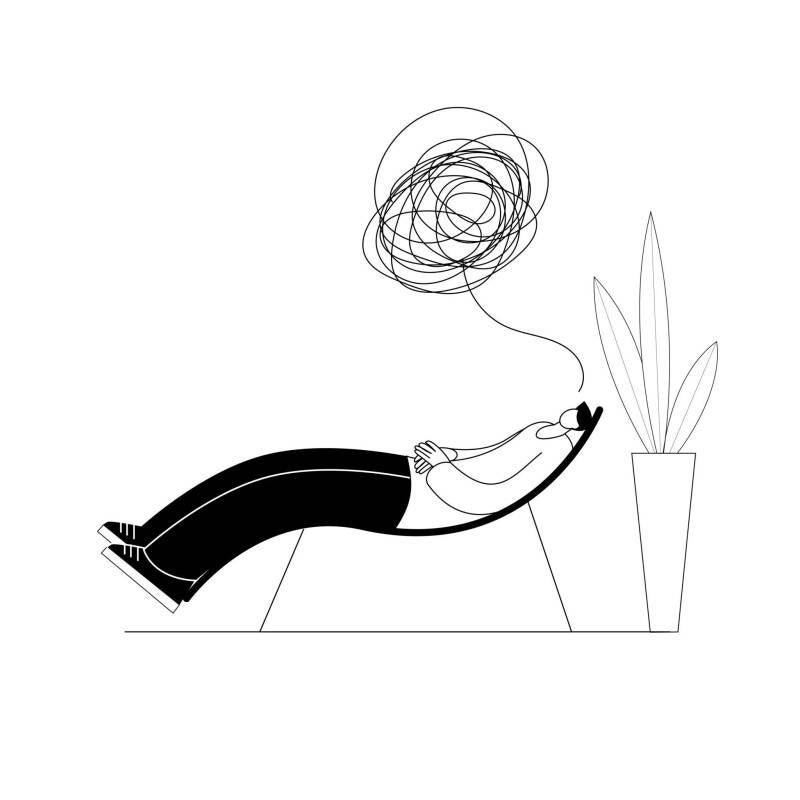
Common Signs of Vicarious Trauma
Do you find yourselves feeling or experiencing any of the following:
- Emotionally drained or depleted
- Difficulty switching off after work
- Intrusive thoughts or imagery related to others’ experiences
- Increased anxiety or hypervigilance
- Changes in mood, including irritability or low mood
- A growing sense of detachment or numbness
- Shifts in beliefs about safety, trust, or control
- No longer finding meaning in your work
These responses are not a sign that something is wrong with you. They often reflect the natural impact of sustained exposure to distressing material.
What is Vicarious Trauma?
Vicarious trauma is not about a single event. It develops gradually over time through repeated exposure to other people’s experiences. This might include:
- Hearing detailed accounts of trauma
- Supporting people (or animals) in distress
- Being regularly exposed to high-stakes or emotionally demanding situations
Over time, this can begin to affect your internal world distorting your sense of safety, trust, and emotional capacity.
When the Work Stays With You
Vicarious trauma refers to:
- The cumulative impact of being repeatedly exposed to the distress, trauma, or suffering of others.
- Commonly experienced by people working in caring, medical, and high-responsibility roles, including healthcare workers, psychologists, veterinarians, support workers, and emergency services professionals.
While the work itself can be meaningful, ongoing exposure to difficult experiences can begin to shape how you feel, think, and respond, both at work and outside of it.
Vicarious Trauma vs. Burnout
Vicarious trauma and burnout are often discussed together, but they are not the same.
- Burnout is typically related to workload, stress, and exhaustion
- Vicarious trauma is specifically linked to exposure to others’ trauma and suffering
It’s possible to experience both at the same time, particularly in demanding roles where emotional and practical pressures overlap.
Why It Happens
Work that involves caring for others often requires empathy, attention, and emotional engagement. Over time, this level of engagement can place strain on the nervous system. Without adequate processing and support, the mind may begin to hold onto these experiences rather than integrating and releasing them. This is where approaches such as EMDR therapy can be helpful in processing the impact of repeated exposure.
How Therapy Can Help
In therapy, we will work towards:
- Understanding how vicarious trauma is showing up for you
- Processing the emotional impact of repeated exposure
- Developing strategies to reduce ongoing stress and reactivity
- Reconnecting with a sense of steadiness and balance
The aim is not to remove your capacity to care, but to support you in continuing your work without it coming at a personal cost.
Support in Wheelers Hill
If you are experiencing the effects of vicarious trauma, you are welcome to contact me to explore support. I am a registered psychologist in Wheelers Hill, providing EMDR therapy and psychological support for adults across South East Melbourne, including those working in caregiving and high-demand professions.